Somatic Movement Therapy
“I think that all mind patternings are expressed in movement, through the body. And that all physically moving patterns have a mind. That’s what I work with.”
— Bonnie Bainbridge Cohen
Somatic Movement Therapy supports the natural connection between body and mind.
Somatic Movement Therapy (SMT) is a mind-body approach that explores the connection between body and mind, using gentle movement, awareness, and attention to physical sensations to release stored tension, trauma, and stress. SMT focuses on internal experience rather than external performance, helping re-educate the nervous system, resolve chronic patterns of pain or anxiety, and restore a deeper sense of presence and wellbeing.
Core Principles
Mind-Body Connection: Thoughts, emotions, and physical sensations are deeply intertwined and influence each other.
Internal Awareness: By focusing on internal sensations, SMT encourages insight and self-understanding.
Releasing Stored Trauma: Trauma, stress, and unresolved experiences can become “stuck” in the body, manifesting as muscle tension or physical symptoms; SMT works to release these patterns.
Self-Regulation: SMT teaches skills to manage the body’s stress response, promoting resilience and empowering individuals to care for themselves.
Techniques include: movement-based enquiry, sensory tracking, Authentic Movement and Amerta Movement, trauma-informed approaches, somatic touch, restorative rest, creativity, and mindfulness.
What Sessions May Look Like
Each session follows the client’s needs, pace, and capacity for presence. Depending on what feels supportive, sessions may include:
Talking therapy anchored in sensation and embodied awareness
Tracking body sensations and following emerging movement
Guided or “free” movement, from small everyday gestures to expressive exploration
Rest and deep listening
Mindfulness practices and breathing techniques
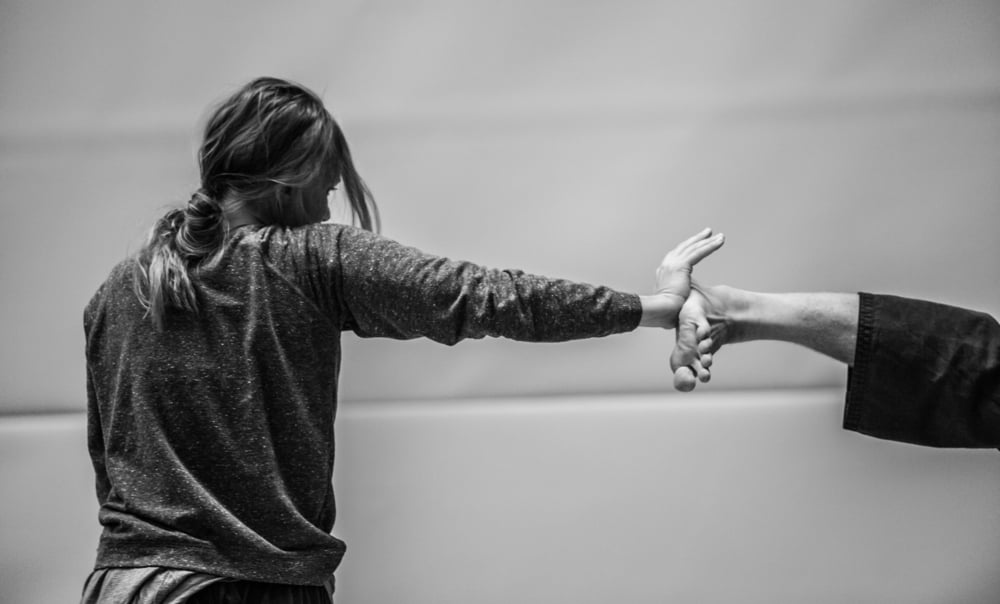
Somatic touch informed by Amerta Movement, Body–Mind Centering®, and Biodynamic Craniosacral principles
Creative expression, drawing, writing, or simple art-based enquiry
Trauma-informed strategies that support regulation and integration
Through cultivating body–mind awareness, clients often experience a growing sense of aliveness, steadiness, creativity, and the ability to self-regulate and engage in nourishing relationships.